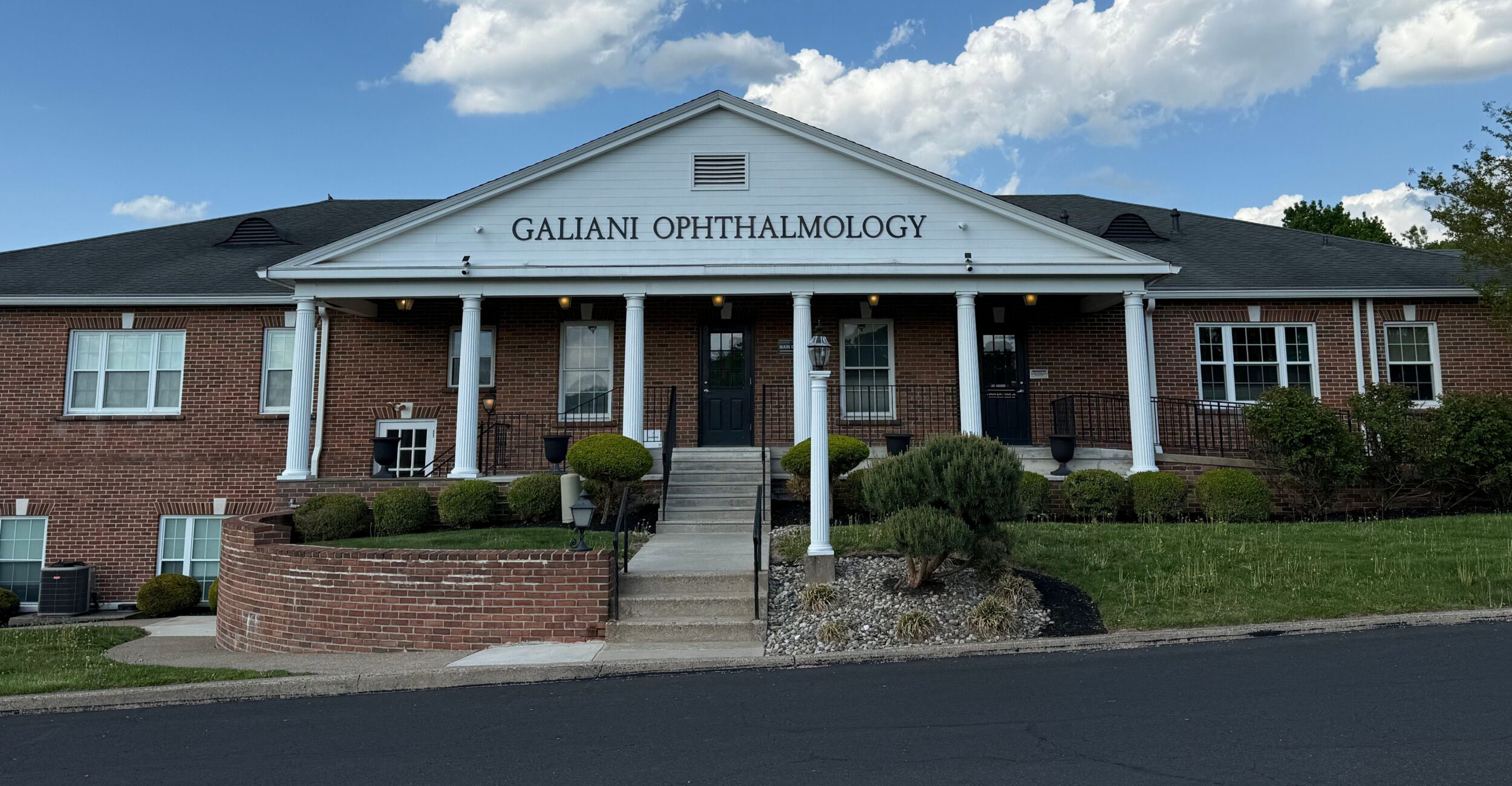
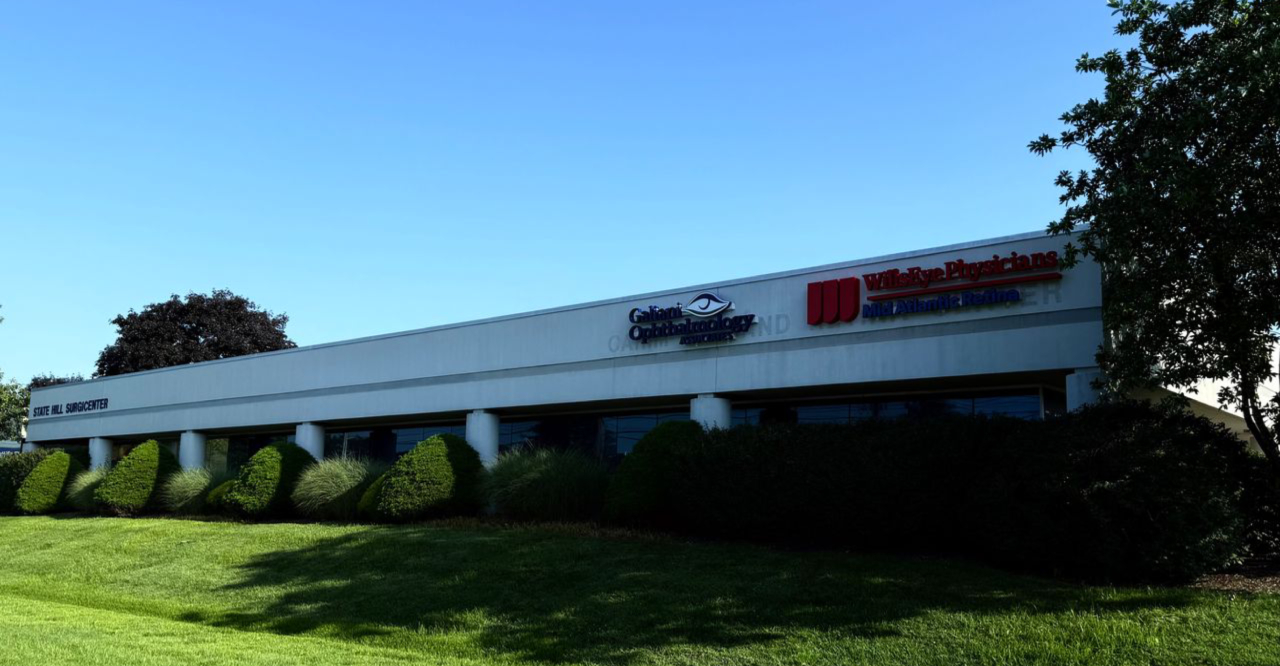
If you find yourself squinting at headlights on the way to a holiday gathering or struggling to follow a familiar recipe, the problem might be more than tired eyes. At Galiani Ophthalmology Associates in Doylestown and Reading, PA, we help patients understand their cataract treatment options. David L. Galiani, MD, a board-certified ophthalmologist, teaches cataract surgery to residents at Wills Eye Hospital.
How Cataracts Affect Holiday Traditions
Cataracts develop as the eye’s natural lens grows cloudy, usually over time. Holiday lights can seem ringed with halos, while oncoming headlights may cause enough glare to make nighttime driving unpleasant. Colors can look less vibrant, too. Small print on gift tags or directions for a family dish might suddenly take more effort to decipher.
Those symptoms don’t necessarily mean cataracts are to blame. A new prescription or another eye condition can cause similar difficulties. An examination can sort out what’s happening.
Managing Early Cataracts Without Surgery
Not every cataract needs to be removed right away. Updated glasses and brighter task lighting may make the early symptoms easier to live with, but neither clears the cloudy lens. Surgery is the only way to remove a cataract. During a comprehensive eye exam, we assess how well you see, examine the lens, and check for other causes.
If you’re avoiding evening drives, missing details while cooking, or still struggling with new glasses, it may be time to consider an operation. There’s no need to rush because a holiday is approaching. The timing should reflect how cataracts affect your life.
What Cataract Surgery Involves
Cataract surgery removes the cloudy natural lens and replaces it with a clear artificial intraocular lens (IOL). Our doctors offer conventional and femtosecond laser-assisted approaches. The laser can help perform certain steps, but neither method guarantees perfect eyesight or eliminates surgical risks.
Your choice of implant matters, too. A standard monofocal IOL is generally set for one focal distance, often far away; in that case, you’ll probably need glasses for nearby tasks. Certain premium intraocular lenses may reduce reliance on glasses in appropriate candidates. Some implants have trade-offs, including halos around lights, which is worth weighing if you often drive at night. We consider astigmatism, other eye conditions, and the activities that matter most to you when reviewing the options.
Before proceeding, we’ll also explain what recovery involves, possible complications, and how much improvement you can reasonably expect.
Get an Eye Exam Before the Holidays
If glare or hazy sight has started getting in the way of plans, an exam can clarify whether cataracts are the cause. Contact us to arrange an appointment with Galiani Ophthalmology Associates in Doylestown or Reading, PA. Our offices can be reached at 215-345-5144 (Doylestown) and 610-376-1981 (Reading).