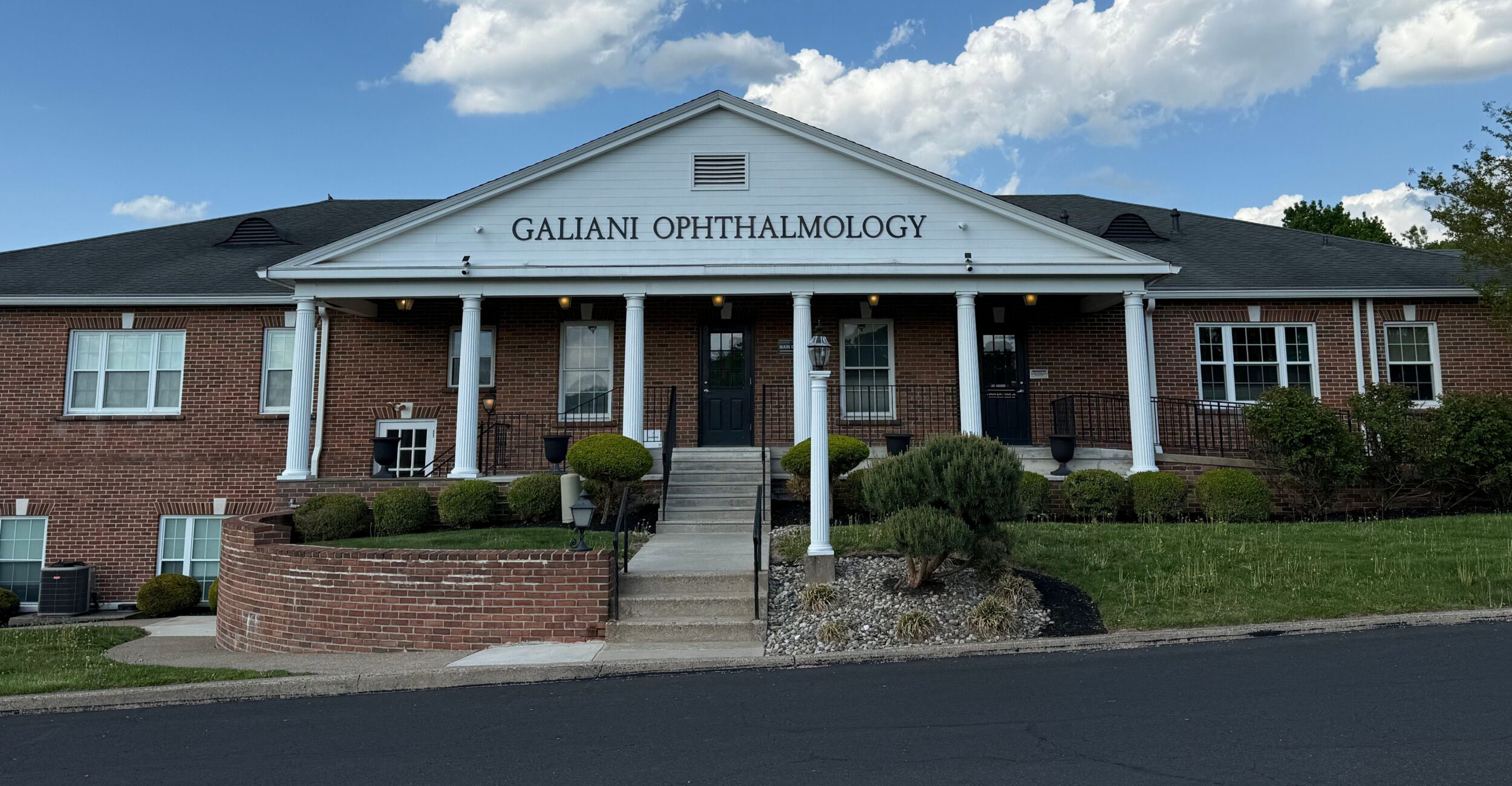
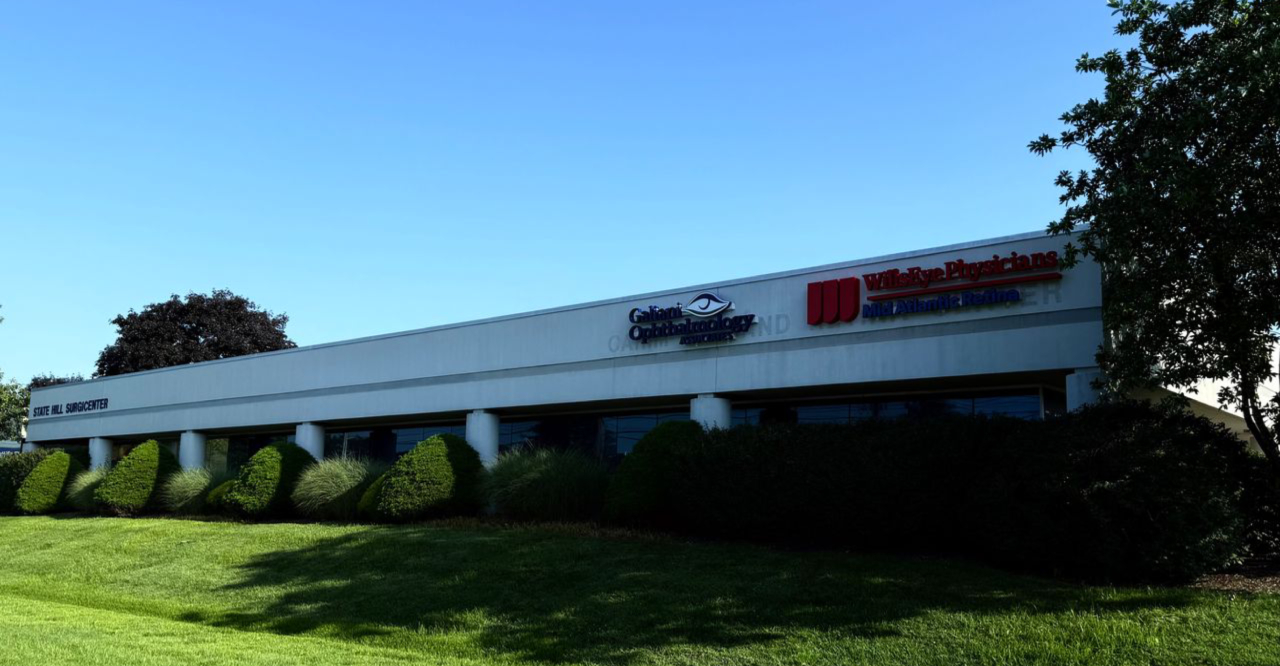
Most cataract lens implants have their prescription selected before surgery. The Light Adjustable Lens is different because its focusing power can be refined after your eye has healed. At Galiani Ophthalmology Associates, we offer this option as part of our cataract care in Reading and Doylestown, PA. David L. Galiani, MD, a board-certified ophthalmologist, teaches cataract surgery to residents at Wills Eye Hospital.
What Makes the Light Adjustable Lens Different?
The RxSight Light Adjustable Lens™ (LAL®) is an artificial intraocular lens (IOL) implanted during cataract surgery.
Unlike traditional implants with a fixed prescription, the LAL contains light-sensitive material that responds to controlled ultraviolet (UV) light. Once the eye has recovered, your ophthalmologist can modify the implant's focusing power based on your actual visual results.
This allows you to experience your new eyesight before the final prescription is established.
Who May Be a Candidate?
The FDA-approved Light Adjustable Lens system is intended for adults undergoing cataract surgery who have preexisting corneal astigmatism of at least 0.75 diopters and no preexisting macular disease.
Other factors also influence candidacy, including:
- Your overall eye and retinal health
- Medications that may increase UV sensitivity
- Your expectations for distance and near vision
- Your ability to attend several follow-up appointments
- Your willingness to wear special protective eyewear during recovery
The adjustable technology isn't the right choice for everyone. We'll review your measurements, medical history, and daily activities before recommending a lens.
What Happens During Surgery and Light Adjustments?
The initial cataract surgery is similar to a procedure using a conventional replacement lens. The difference comes afterward.
- Initial healing: The cloudy natural lens is removed and the LAL is implanted. Your eye typically needs at least three weeks to recover before light treatments begin.
- Vision assessment: Once healing has progressed sufficiently, we check your prescription and talk about how well you see at different distances.
- Light adjustments: The RxSight Light Delivery Device™ (LDD™) uses controlled UV light to modify the implant. Patients generally receive one to three adjustment treatments.
- Final lock-in: Two additional light treatments stabilize the selected correction, preventing further adjustments.
Your appointment schedule depends on healing and examination findings. Attending the required visits is an important part of the process.
Why Are UV-Protective Glasses Necessary?
The implanted lens remains sensitive to ultraviolet exposure until the adjustment process is complete. Uncontrolled UV light can change its focusing power before the prescription is finalized.
You must wear the special RxSight UV-protective glasses during all waking hours after surgery until 24 hours after your final lock-in treatment, following your surgical team's instructions.
The glasses are necessary indoors and outdoors. Ordinary sunglasses should not be substituted because they may not offer the required protection.
We'll explain when the glasses may be briefly removed and how to care for them throughout recovery.
What Are the Benefits and Limitations?
The main advantage is the ability to refine your prescription after surgery rather than relying entirely on measurements taken beforehand.
However, the Light Adjustable Lens cannot guarantee 20/20 eyesight or complete independence from glasses. Some patients still need reading glasses, and certain eye conditions may limit the potential improvement.
As with other cataract procedures, risks include infection, inflammation, and possible complications affecting sight. The adjustment process also requires additional appointments and strict adherence to UV protection instructions.
Why Choose Galiani Ophthalmology Associates for Light Adjustable Lens Surgery?
Our ophthalmologists work with different lens implants and refractive correction options. Dr. Galiani's clinical background includes cataract procedures using a variety of implant types, while Dr. Leah Wartluft also performs cataract surgery with different lens selections.
We consider your visual priorities, astigmatism, and eye health when comparing the LAL with other premium intraocular lens options.
Frequently Asked Questions
No. Adjustments take place during office visits using the Light Delivery Device. Another surgical incision isn't needed for the light treatments.
Your eyesight may be temporarily blurry from dilation or the gel used during treatment. Some patients also notice a pink or reddish tint, which usually fades. Report persistent symptoms to our team.
Put them back on as soon as you remember and contact your surgical team. Tell us how long they were off and whether you were exposed to sunlight or other UV sources.
Your pupils will be dilated, and temporary blurring may occur. Arrange transportation after light-treatment appointments rather than assuming you'll be able to drive safely.
As a premium implant, the LAL may involve additional out-of-pocket costs. Coverage varies, so our office can help you understand the financial considerations before proceeding.